 Open full size
What a useful convention communicates
A useful name tells a reader what an object is, what it does, and where it belongs. Prefixes can distinguish dashboards, adapters, components, Cube Views, and rules; a company or solution code can make related objects easier to group; and a description gives the object a meaningful human purpose.
Why names affect technical work
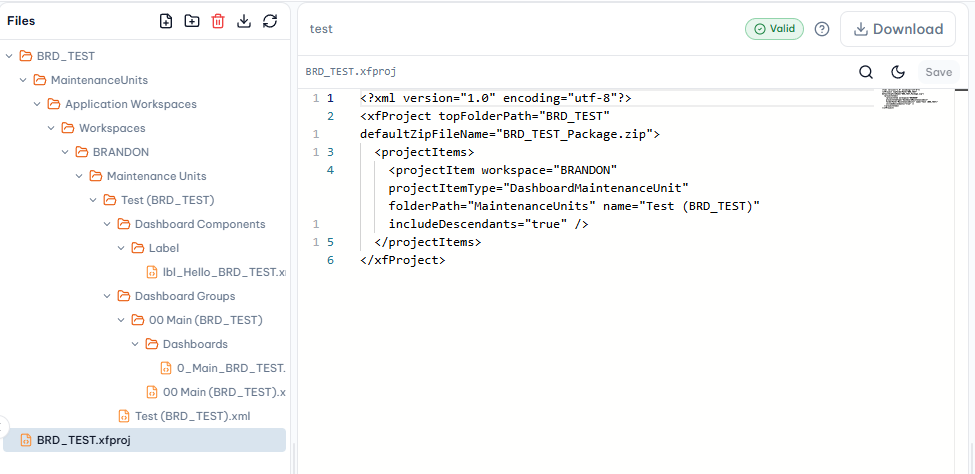
Projects often depend on names in component membership, parameters, dashboard actions, file paths, and XFProj manifests. A vague or inconsistent name can make a dependency difficult to trace and can cause an incorrect object to be reused. Naming standards reduce that risk before a solution becomes large.
Apply conventions from project creation
The best time to choose a company code, prefixes, and dashboard hierarchy is before building many files. OneCraft carries project context into generation and validates relevant naming patterns so a team can catch drift during development rather than during a later cleanup.
Looking for a specific workflow? Return to the OneStream resources hub to browse related practical guides.
Related resources
Ready to build this in OneCraft?
Describe what you need in plain English — OneCraft drafts and validates the OneStream files for you.